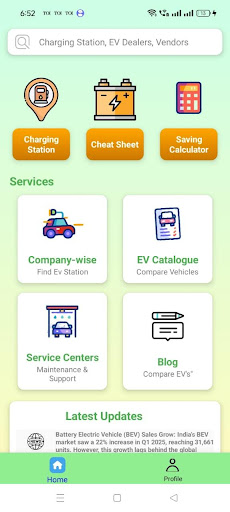
An EV (Electric Vehicle) charging station is a facility that supplies electrical energy for recharging the batteries of electric vehicles. These stations are essential to support the transition from traditional fuel-based transportation to a more sustainable and eco-friendly electric mobility system. EV charging stations are typically classified into three levels:
Level 1 (Slow Charging): Uses a standard 120V outlet and is ideal for home charging. It can take 8–12 hours for a full charge.
Level 2 (Fast Charging): Uses 240V and is commonly found in public and commercial places. Charging takes 2–4 hours.
DC Fast Charging (Rapid): Delivers high-voltage direct current and can charge most EVs up to 80% in just 30 minutes.
Modern charging stations often feature smart technologies such as app integration, remote monitoring, digital payments, and real-time availability updates. They may be powered by the grid or sustainable sources like solar energy.
EV charging infrastructure is a key component in reducing carbon emissions and supporting the global shift towards cleaner, greener transportation. As the demand for electric vehicles grows, accessible and efficient charging networks are becoming increasingly important in urban and rural areas alike.